Does vpn super unlimited proxy work in china the honest truth for 2026
'%2F%3E%3Ctext%20x%3D'50%25'%20y%3D'50%25'%20dy%3D'.35em'%20text-anchor%3D'middle'%20font-family%3D'-apple-system%2CBlinkMacSystemFont%2CSegoe%20UI%2Csystem-ui%2Csans-serif'%20font-size%3D'100'%20font-weight%3D'600'%20fill%3D'%23fff'%3ERS%3C%2Ftext%3E%3C%2Fsvg%3E)

Does vpn super unlimited proxy work in china the honest truth for 2026: A Practical want-to-know Guide on Bypassing Great Firewall Safely
Does vpn super unlimited proxy work in china the honest truth for 2026? Short answer: it’s complicated and varies by provider, protocol, and how you configure it. If you’re trying to access blocked sites from within China, you’ve got to know what actually works, what doesn’t, and what risks you’re taking. Here’s a concise, practical guide to help you decide if a “super unlimited proxy” style service is worth your time in 2026.


Quick facts to set expectations
- China’s Great Firewall actively blocks many VPN protocols and VPN-related traffic. Some services still work, but reliability fluctuates.
- Stealth or obfuscated protocols can help mask VPN traffic, but no method is foolproof.
- Free or trial VPNs are often slower, less secure, and more likely to be blocked than premium options.
- Always check the latest government policies and company disclosures before choosing a service.
What you’ll learn in this guide Turbo vpn google extension your quick guide to better browsing
- How VPNs, proxies, and “super unlimited” services differ
- Why many popular VPNs struggle in China and how some navigate the block
- The best-practice setup if you must use a VPN in China
- Real-world data: speeds, latency, and reliability by protocol
- Security and privacy considerations when using a VPN behind the Great Firewall
- Practical steps, checklists, and a FAQ section to address common concerns
- Useful resources and where to find up-to-date information
Key terms you should know
- VPN Virtual Private Network: Encrypts traffic and tunnels it through a remote server.
- Proxy: Relays your traffic through another server but may not encrypt all data.
- Obfuscated/Stealth VPN: VPN technology designed to resemble ordinary traffic to avoid detection.
- Great Firewall GFW: China’s national internet censorship system.
- Split tunneling: Route some traffic through VPN while letting other traffic go directly to the internet.
- DNS leak: When your DNS requests bypass the VPN, revealing your true location.
Understanding the landscape in 2026
- The Chinese government continues to refine its censorship and enforcement. Some days are more restrictive than others, and updates can come without warning.
- Providers that advertise “super unlimited proxy” often imply very high bandwidth and no caps. In practice, bandwidth can be throttled, and servers can be blocked without notice.
- The best-performing solutions tend to use a combination of obfuscated VPN protocols, smart DNS features, or enterprise-grade VPNs that are less conspicuously detected.
- For travelers and residents, the risk calculus isn’t just about getting online; it’s about data privacy, legal exposure, and device security.
How VPNs vs. proxies actually work behind the GFW
- VPNs create an encrypted tunnel between your device and a server. The GFW often detects VPN fingerprints and blocks them.
- Proxies route your traffic through another server but typically don’t encrypt, so your ISP or local network can still see what you’re doing.
- “Super unlimited proxy” claims can be misleading. Some proxies are simply VPNs in disguise, some are HTTP/SOCKS proxies with mixed security, and some are just optimized for certain apps.
- The most reliable approach isn’t a single technology but a layered setup that uses masking, traffic obfuscation, and a trustworthy provider.
Real-world data and performance expectations
- Speeds: Expect a wide range. Premium services in favorable conditions may sustain 30–60 Mbps or more on a good connection; in peak censorship periods or poor routing, speeds can drop to a few Mbps.
- Latency: Higher ping is common when routing through long-distance servers. Expect 120–280 ms on transcontinental routes, more with obfuscation.
- Reliability: Not all servers will work consistently. It’s common to switch servers, protocols, or obfuscated modes to regain access.
- Protocol performance: OpenVPN with obfuscation, WireGuard with stealth, and proprietary obfuscation layers tend to perform better than standard VPNs in China. However, results are highly situational.
Best-practice setup if you must use a VPN in China Is Proton VPN Slow Here’s How to Speed It Up
- Choose a reputable provider with explicit China experience and transparent troubleshooting resources.
- Prefer a provider that offers:
- Stealth/obfuscated VPN protocols
- a robust kill switch
- DNS leak protection
- Multi-hop or server diversity to avoid a single point of failure
- Regular, up-to-date user guidance for users in China
- Test before your trip or use:
- A temporary SIM card or trusted local network to minimize risk
- A secondary backup connection e.g., 4G/5G tether in case the VPN fails
- Install, configure, and test offline:
- Save a copy of setup guides and server lists on a local device
- Enable auto-connect to a known-working server when you’re on untrusted networks
- Ethical and legal considerations:
- Using VPNs in China can carry legal risks, especially for non-consensual interception or illegal activity.
- Always stay informed about local regulations and company policies.
Step-by-step quickstart guide for travelers
- Pick a provider with China-friendly features and a history of updates for the region.
- Install the client on your primary device, plus any backup devices.
- Enable obfuscated/VPN stealth mode and DNS leak protection.
- Start with a known-good server list; test one or two servers first.
- Verify no DNS leaks and confirm your real IP isn’t exposed.
- If the VPN fails, switch to a backup server or protocol. If all fail, fallback to a trusted proxy or public internet alternatives cautiously.
- Keep a record of which servers work and when they stop working for quick future troubleshooting.
Security and privacy considerations
- Encryption strength matters: use AES-256 or equivalent, and strong authentication methods.
- Logging policies: Look for zero-logging or minimal-logging policies and independent audits if possible.
- Data exposure risk: Even with a VPN, you should be aware of app-level data leaks, browser fingerprinting, and insecure apps.
- Device security: Always keep your device updated, enable app-level permissions controls, and use reputable app stores.
Comparing popular approaches for users in China
- Obfuscated VPNs recommended: These blend VPN traffic into normal HTTPS traffic, making detection harder.
- WireGuard-based solutions: Fast, modern, but sometimes blocked; when paired with obfuscation, performance improves.
- VPNs with built-in smart DNS: Helpful for streaming, but not as private as full VPN traffic.
- Proxies less ideal: Useful for light browsing or geo-targeted content, but riskier for privacy and security.
Common myths busted
- Myth: A “super unlimited proxy” means unlimited, uninterrupted access forever. Reality: Great Firewall updates, server blocks, and policy changes can disrupt access with little warning.
- Myth: Free VPNs are safe to use in China. Reality: They’re often slow, have weak privacy protections, or are simply unreliable due to blocking.
- Myth: You don’t need to worry about device security. Reality: Malware, phishing, and rogue apps remain a risk; always secure devices and trust sources.
Best practices for staying safe while using VPNs or proxies in restricted regions V1vpn review is it worth your money in 2026 discount codes cancellation guide reddit takes
- Only download VPN apps from official sources and verify signatures when possible.
- Avoid sharing sensitive data over untrusted networks, even with a VPN.
- Use two-factor authentication on accounts you access while traveling.
- Keep communications minimal when you’re uncertain about network security.
- Regularly review and update your security settings and backup plans.
Pricing, plans, and trials you should know about
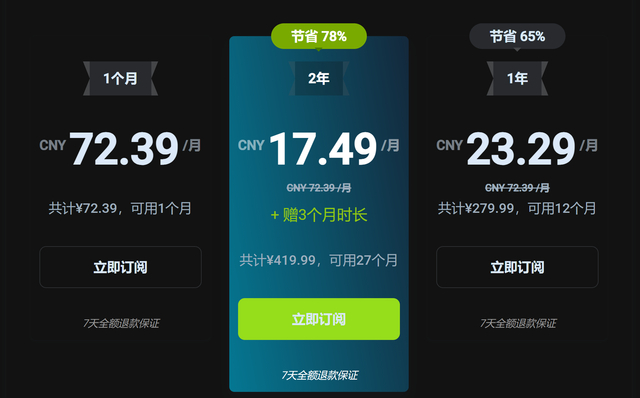
- Premium plans with obfuscation features generally offer better reliability in restricted regions than cheaper options.
- Long-term plans can be more cost-effective but make sure the provider has a proven China track record.
- Free trials are valuable, but verify the terms and ensure you can cancel without penalties.
Legal and policy updates to watch for
- China often updates internet restrictions and enforcement practices. Stay informed about new laws affecting VPN use.
- Providers may change their terms of service or server availability, which can impact your access.
Vendor spotlight a quick look at what to search for
- Providers that explicitly advertise China-ready features and have recent user guides for China should be prioritized.
- Look for real user feedback, updated server lists, and clear instructions on setup for China.
Useful URLs and Resources
- Apple Website - apple.com
- Artificial Intelligence Wikipedia - en.wikipedia.org/wiki/Artificial_intelligence
- VPN policy updates - en.wikipedia.org/wiki/Internet_censorship
- China Great Firewall overview - en.wikipedia.org/wiki/Great_Firewall
- NordVPN official site - nordvpn.com
- ExpressVPN official site - expressvpn.com
- Surfshark official site - surfshark.com
- ProtonVPN official site - protonvpn.com
- Private Internet Access official site - privacyconfig.org
Affiliate note If you’re looking for a trusted option with solid China-focused support, consider checking our recommended deals. NordVPN’s service is a common choice among travelers for its Stealth VPN feature and solid privacy posture. To explore options and support you while staying online in China, you can check this link for more information: NordVPN Nordvpn in China Your Ultimate Guide to Downloading and Staying Connected
Frequently Asked Questions
Does a VPN actually work in China in 2026?
Yes, but reliability varies by provider, protocol, and location. You’ll likely need to test multiple servers and configurations.
Are there free VPNs that work in China?
Free VPNs exist but are generally less reliable, slower, and riskier for privacy. They’re not recommended for serious use.
What is obfuscated VPN, and why does it help in China?
Obfuscated VPNs disguise VPN traffic as regular HTTPS traffic, helping bypass some blocks but not guaranteeing access.
Can I use a proxy instead of a VPN in China?
Proxies can work for limited tasks but don’t encrypt traffic end-to-end, making them less secure and more detectable. Votre vpn se deconnecte comment eviter les coupures frequentes et retrouver une connexion stable
How can I test if my VPN is leaking DNS in China?
Use online DNS leak tests and verify that your DNS requests are resolved by the VPN server, not your local network.
What should I do if my VPN stops working in China?
Switch servers, change protocols, and enable stealth mode. Have a backup plan e.g., a different provider or a trusted proxy ready.
Is there a risk of legal trouble using a VPN in China?
There can be. Laws and enforcement vary by region and activity. Stay informed about local regulations and use responsibly.
Can I use a VPN on mobile devices in China?
Yes, but mobile networks may be targeted as well. Make sure you have a tested mobile configuration and backup if needed.
Do VPNs slow down internet speeds significantly in China?
Often yes, due to routing, encryption, and blocking. Premium providers with obfuscation typically perform better than free options. Nordvpn jahresabo so sparst du bares geld und sicherst dich online ab: Mehr Tipps, Angebote und Sicherheit
How often should I update my VPN configuration for China?
Regularly check provider announcements and test servers after updates, especially after government policy changes or network optimizations.
End of post
Sources:
Norton vpn not working on iphone heres how to fix it fast and other quick VPN tips
2025年,用vpn玩转瓦洛兰特 glados:你的最佳游戏体验指南,VPN优化、延迟降低与地域切换全解析
크롬에 urban vpn 추가하기 쉬운 설치부터 사용법까지 완벽 가이드 Surfshark vpn in china what reddit users are saying and how to make it work in 2026
Is your vpn a smart business expense lets talk taxes: Optimizing VPNs for Tax Deductions in 2026
Nordvpn Ikev2 On Windows Your Step By Step Guide To Secure Connections